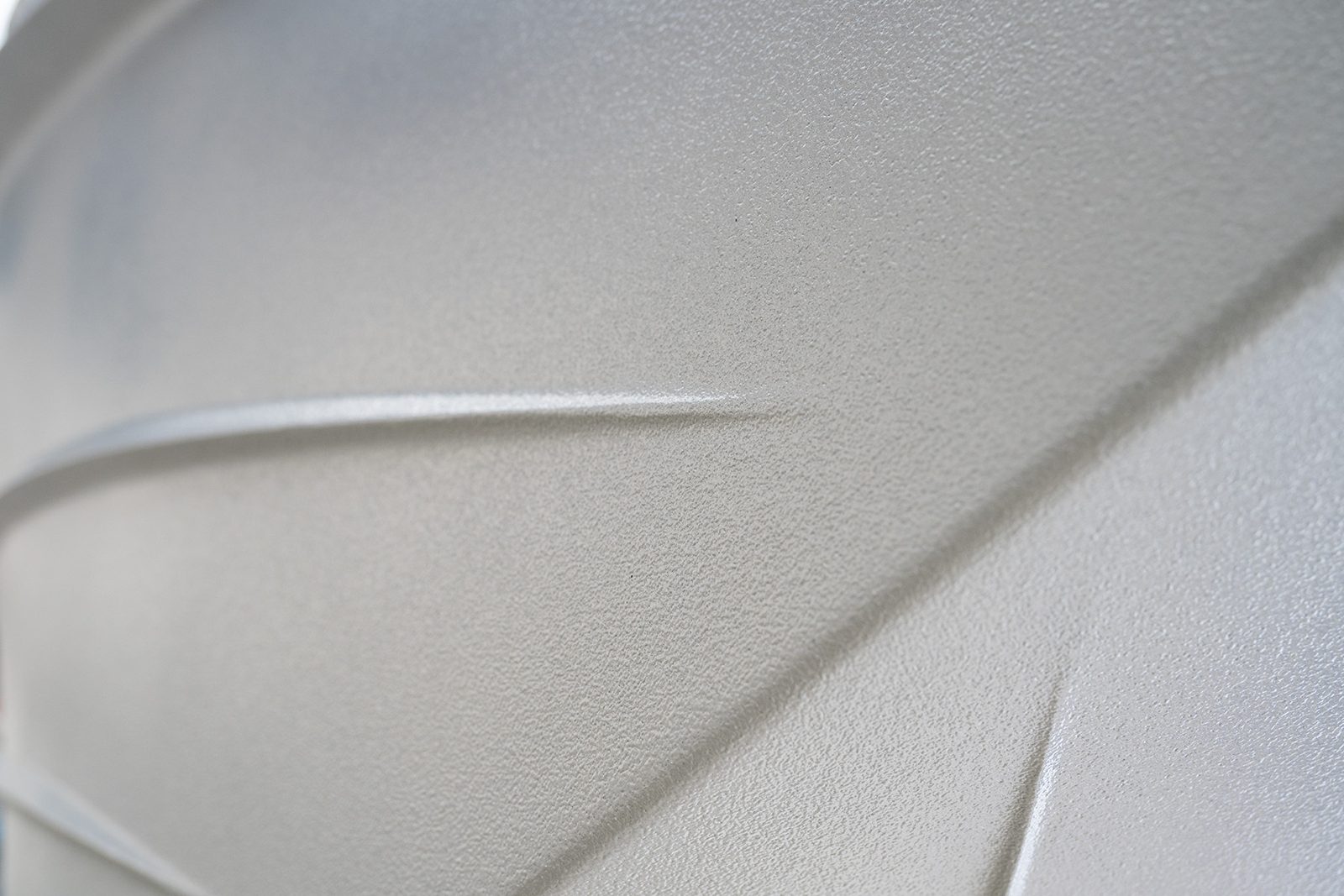
Aquaphobix™ is applied to fiberglass and steel hulls, and a licensed dealer confirms fit hull by hull before any work is booked. On steel, the coating held more than 1,100 PSI in MIL-spec adhesion testing. Aluminum hulls need a conversation first, because copper and aluminum in salt water can cause galvanic corrosion and Aquaphobix™ contains copper. Your dealer confirms with the factory how an aluminum hull is handled before anything is scheduled.
Yes. A licensed dealer removes any existing bottom paint, prepares the gel coat, and heat-embeds the thermopolymer coating into the hull, where it bonds and stays.
Yes. Aquaphobix™ bonds to steel, and in MIL-spec adhesion testing it held more than 1,100 PSI on steel. That makes it a fit for steel workboats and other steel hulls, with your dealer confirming the surface prep the hull needs.
Ask before you book. Copper-based bottom paint is kept off aluminum because copper and aluminum together in salt water cause galvanic corrosion, and Aquaphobix™ contains copper. Your dealer confirms with the factory whether and how Aquaphobix™ is applied on your specific aluminum hull before any work is scheduled.
Yes. Any existing bottom paint is removed during prep so the coating bonds to the hull itself rather than to a layer of old paint.
Aquaphobix™ is quoted at $300 per linear foot of boat length. Your dealer confirms the full quote after checking the hull material, the condition of the surface, and what is on the bottom now.
Book a free 15-minute consultation. Tell us the hull material, length, where the boat is kept, and what is on the bottom now, and we will confirm fit and connect you with the dealer who covers your area.
Aquaphobix™ is not brushed or rolled on. It starts as a thermopolymer powder, and a licensed dealer uses a torch to heat-embed it into the prepared hull. As it cools, it forms a bonded, non-ablative hull coating with a fine orange-peel texture. The bond depends on the prep and the heat step, so the surface underneath matters, which is why the hull material comes up in every consultation.
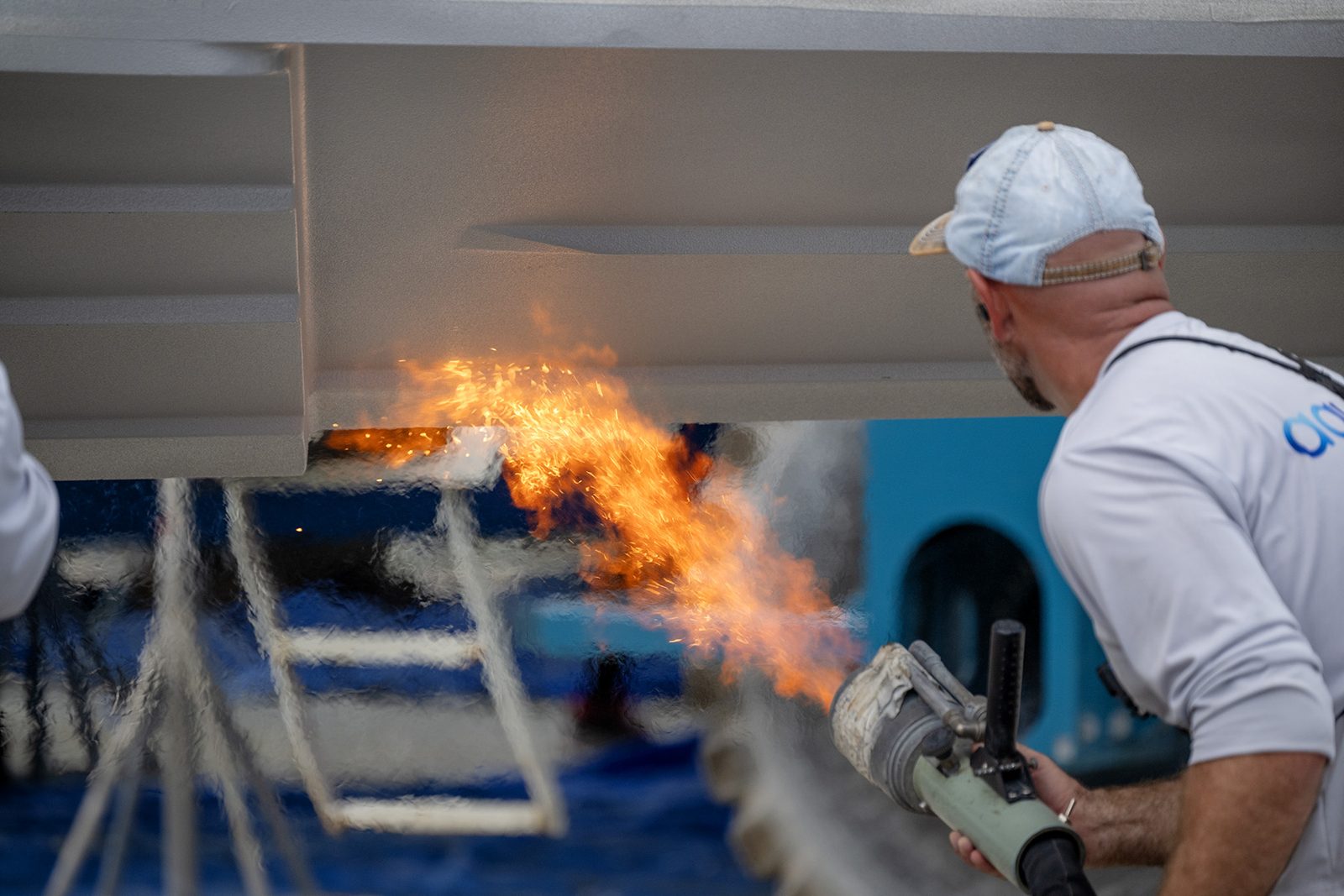
Fiberglass hulls, from center consoles to cruisers, get the standard process. Prep starts with removing any existing bottom paint so the coating bonds to the hull rather than to old layers. The dealer then prepares the gel coat and applies the coating. Owners of older fiberglass boats should mention any known blistering or repairs up front so the dealer can plan the prep.
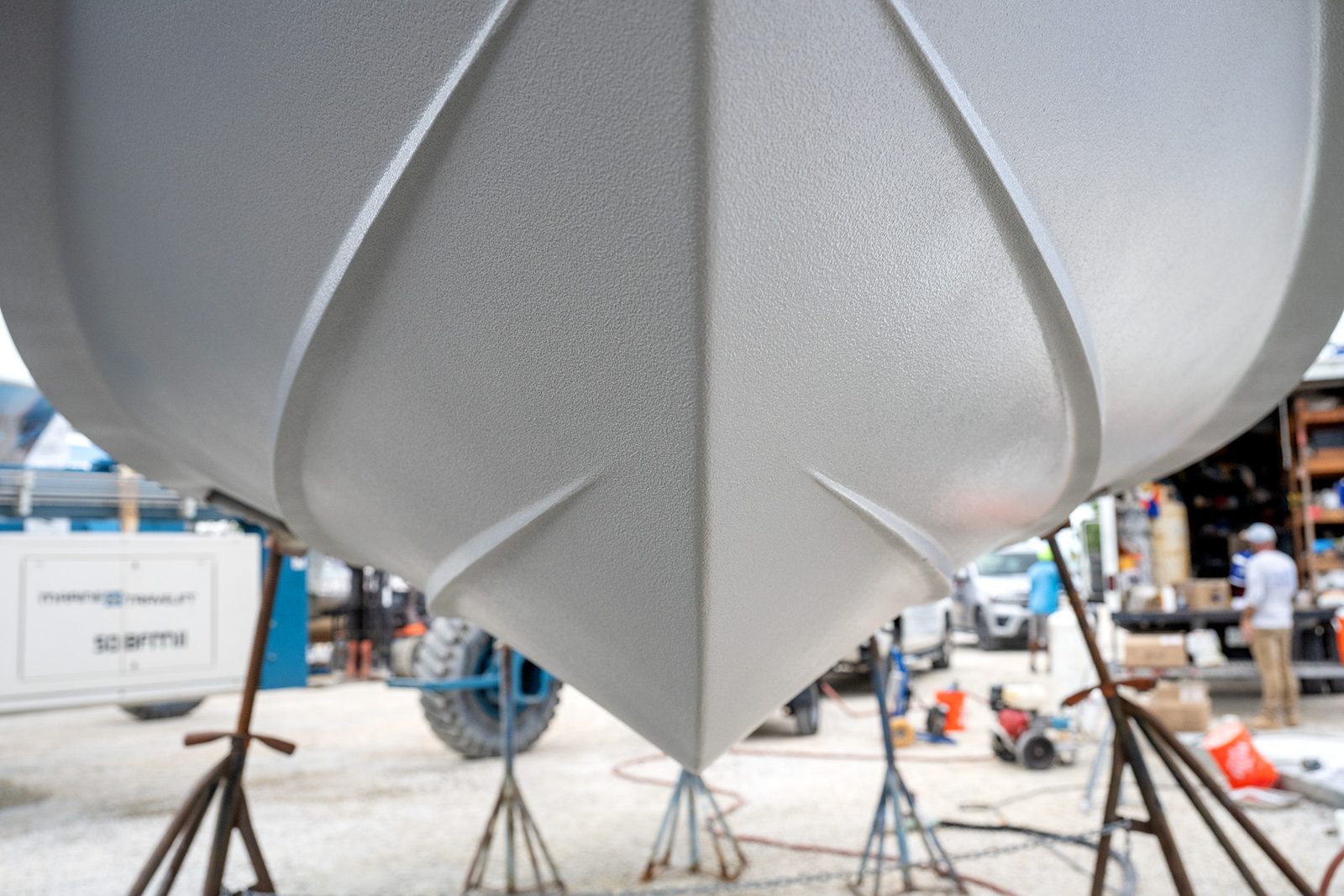
Steel is where the bond strength numbers matter most. In MIL-spec adhesion testing, Aquaphobix™ held more than 1,100 PSI on steel. For steel workboats and other steel hulls, the dealer confirms the surface prep before scheduling, since steel prep is its own process.
Aluminum is the one hull material where the answer starts with a question. Copper-based bottom paint is kept off aluminum because copper and aluminum together in salt water set up galvanic corrosion, which attacks the metal. Aquaphobix™ contains copper, even though its biocides stay locked inside the non-ablative coating rather than leaching out.
That is exactly the kind of detail worth settling before any work is booked, so if you run an aluminum hull or pontoon, tell us on the consultation and your dealer will confirm with the factory whether and how Aquaphobix™ is applied on your boat.
The hull material, the length, where the boat is kept, how often it runs, and what is on the bottom now. Past repairs, blisters, or an unusual hull shape are all worth mentioning too. With that, the dealer can confirm fit and give you an exact quote. Pricing is covered in How Much Does Aquaphobix™ Cost?, and the full process lives in the How It Is Applied hub.
Want your exact number? It is one free 15-minute call. Book a free consultation and we will confirm the price for your boat and match you with the dealer who covers your area.
Topics covered
foul-release coating, ablative paint, non-ablative, thermopolymer
A free consultation, no pressure. We will tell you whether Aquaphobix™ is right for how you actually use your boat — and if it is not, we will say so.