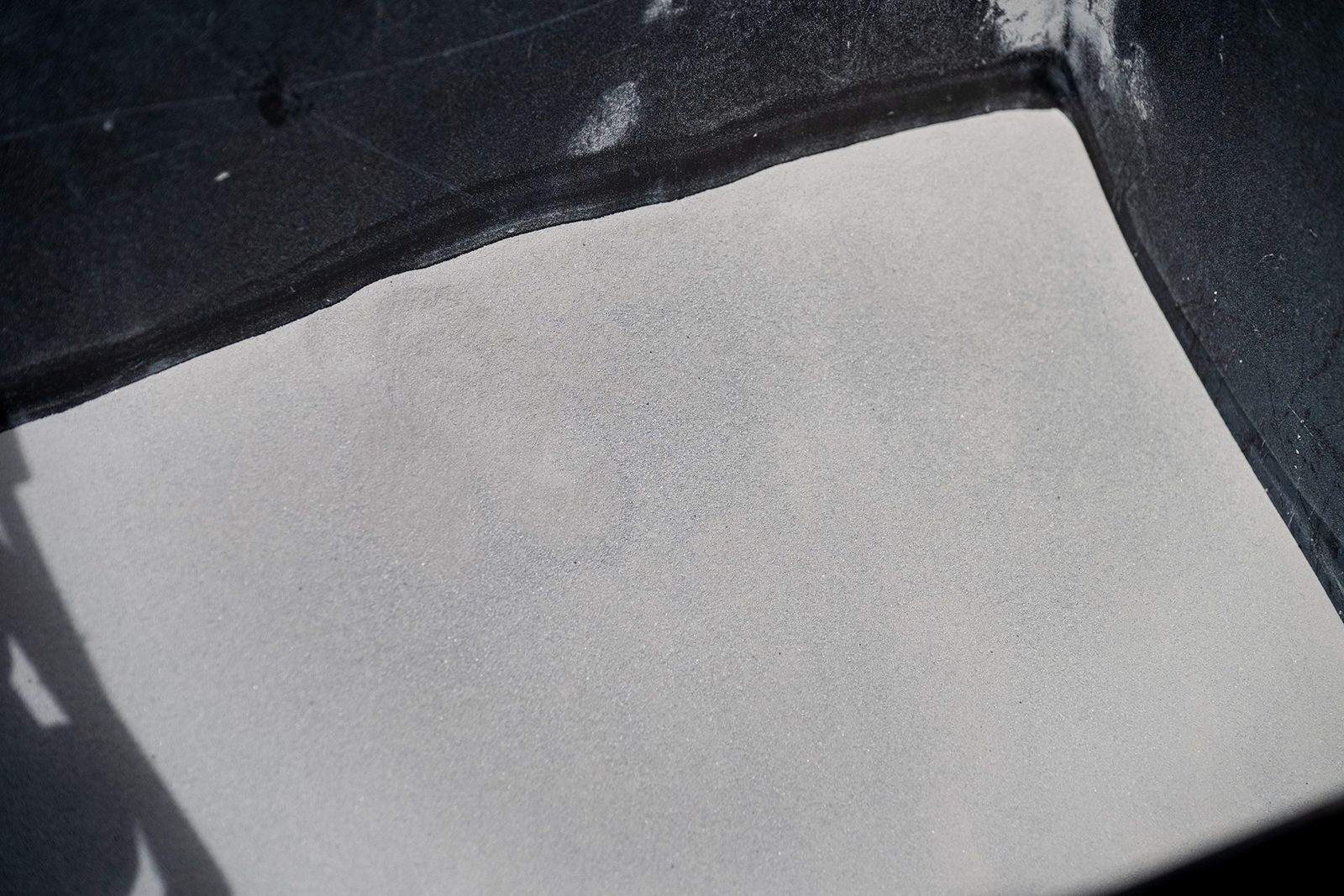
Over five years, Aquaphobix™ is applied once and bottom paint is applied three to five times. Most bottom paint is ablative, a film built to wear off the hull and release copper and biocides into the water, so boats in salt water are typically hauled and repainted every 12 to 24 months. Aquaphobix™ is a non-ablative thermopolymer hull coating that bonds to the hull, keeps its biocides locked inside the coating, and carries a 5-year transferable warranty.
Most bottom paint is ablative, meaning it is engineered to wear away as the boat moves, exposing fresh biocide and releasing copper into the water as it goes. Aquaphobix™ is a non-ablative thermopolymer hull coating that a licensed dealer heat-embeds into the hull. It contains biocides, but because it does not wear away, they stay in the coating instead of leaching into the water.
In salt water, plan on every one to two seasons. Boatyards.com's 2026 guide lists ablative and hard paints at every one to two years in salt water and multi-season paints at every two to three years, and a 2026 Tampa Bay guide budgets for repainting every 12 to 24 months on wet-slipped boats. Aquaphobix™ is applied once and backed by a 5-year transferable warranty.
On a 35-foot boat repainted every year at full-service yard rates, five years of bottom paint runs about $7,500 to $16,000, and Aquaphobix™ at $300 per linear foot is $10,500 applied once. On a boat repainted every other year at the low end of pricing, bottom paint costs less on paper. The answer comes down to how often your boat is hauled and what your yard charges.
Yes, and how they behave is the whole difference. Ablative bottom paint releases its copper into the water as the film wears away. Aquaphobix™ is non-ablative, so its biocides stay locked inside the coating rather than leaching into the water around your boat.
Growth that tries to settle cannot bond firmly to the surface, so it wipes or power-washes off, even in the water. There is no sanding and no fresh coat afterward, because the coating itself stays on the hull.
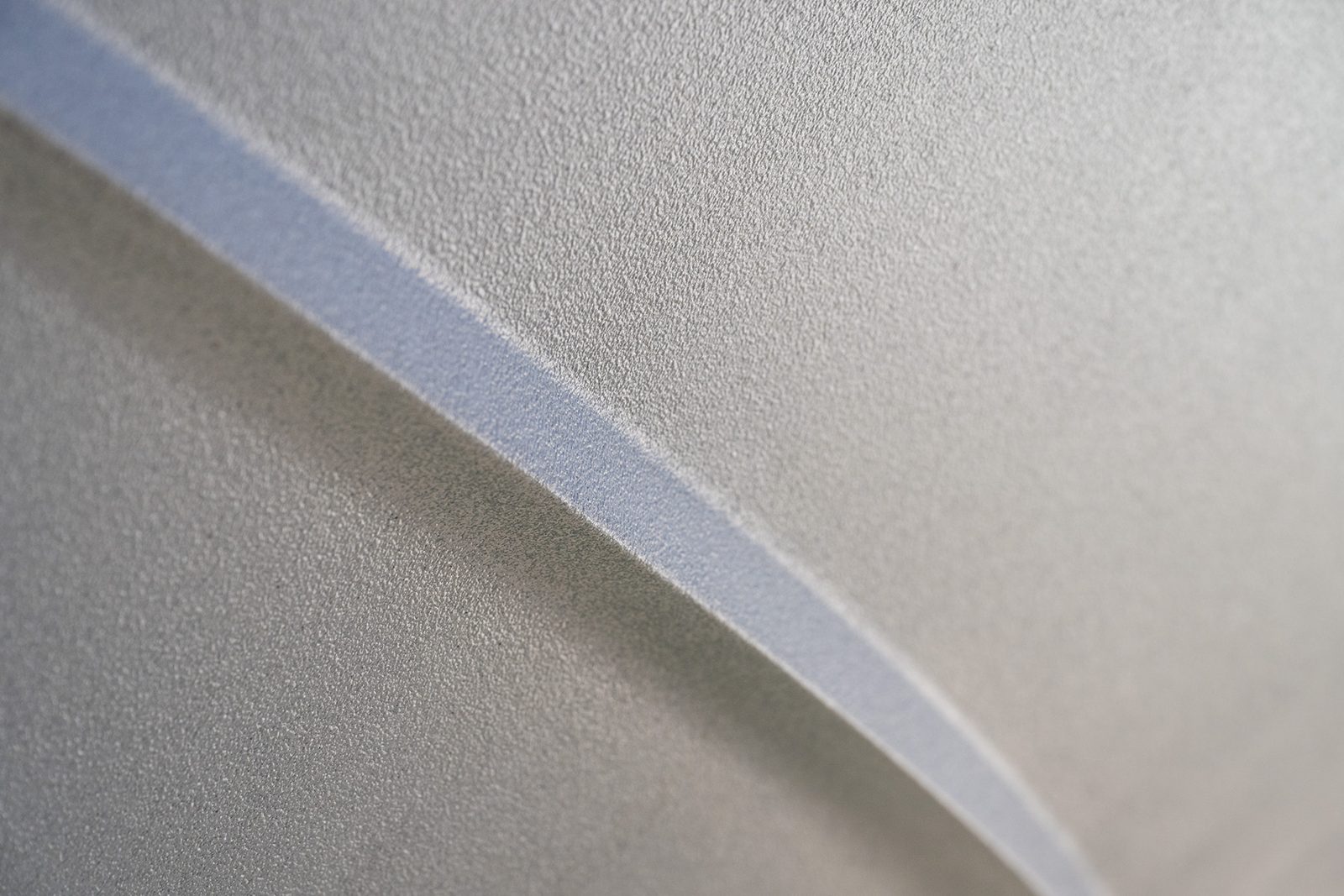
No. Aquaphobix™ starts as a thermopolymer powder that a licensed dealer heat-embeds into the hull with a torch. As it cools it forms a bonded, non-ablative hull coating with a fine orange-peel texture. Nothing about it is designed to wear away.
Ablative bottom paint works like a bar of soap. As water moves past the hull, the outer layer wears away and exposes fresh biocide underneath, and that steady shedding is the whole mechanism. Hard bottom paint takes the other route: it stays put and releases biocide through its surface, then builds up season after season until it has to be stripped.
Aquaphobix™ does neither. It is a non-ablative thermopolymer hull coating, so there is no layer designed to wear off. Its biocides stay locked inside the coating, and the surface itself is foul-release, meaning growth that tries to settle cannot get a firm grip and washes off.
Ablative paint only works by leaving the hull. Every season of use sends some of the paint film, and the copper in it, into the water around the boat, and every repaint cycle starts that process over with a fresh film.
Aquaphobix™ is built the opposite way. The coating does contain biocides, and since it is non-ablative, those biocides stay in the coating instead of washing out with a wearing film. That is the short version of the difference: bottom paint is designed to leave, and Aquaphobix™ is designed to stay.
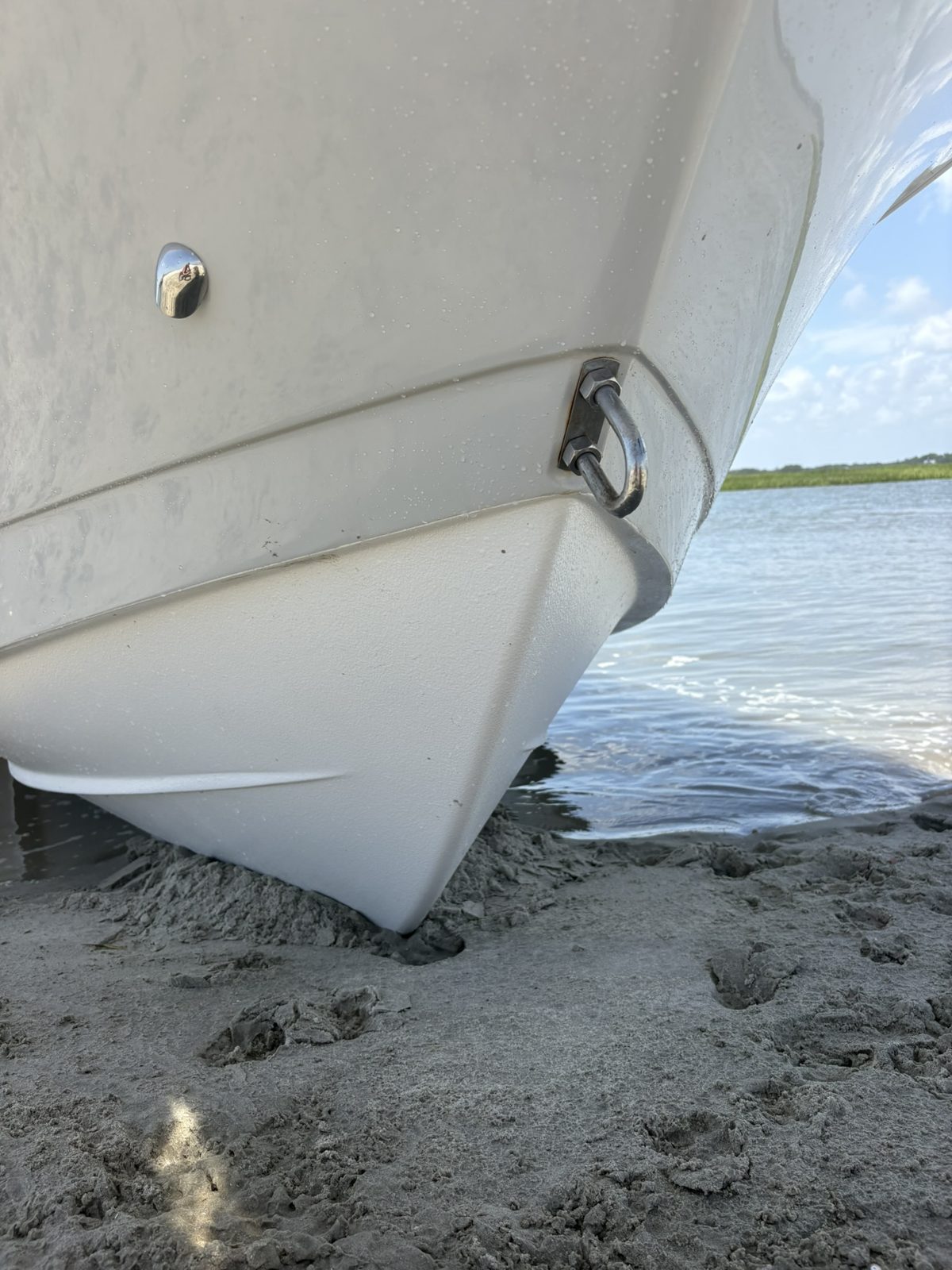
Take a 35-foot boat kept in a warm saltwater slip and repainted on a typical 12 to 24 month cycle. Using 2026 professional price guides from West Marine and Boatyards.com, a complete bottom job on that boat runs $1,500 to $3,200.
Neither bottom paint line includes the eventual strip back to gel coat that paint buildup calls for, which 2026 guides price at $3,500 to $5,000 on a boat this size.
.jpeg)
Bottom paint still makes sense in some cases, and saying so is part of giving you a straight answer. If your boat is repainted every other season at low rates, the five-year cost favors paint on paper. If it lives on a trailer or a lift, it may not need a bottom coating at all.
Aquaphobix™ makes the most sense for boats that sit in warm salt water, get hauled every year, and pay full yard rates, and for owners who would rather put the haul-out calendar behind them. If you expect to sell inside five years, the transferable warranty goes with the boat.
Ask your yard what your last bottom job cost and how often they recommend it for your slip. Then book a free consultation with us, share the numbers, and we will run the comparison on your boat and confirm which dealer covers your area. For pricing detail, read How Much Does Aquaphobix™ Cost?, and browse more head-to-heads in the Comparisons hub.
Want your exact number? It is one free 15-minute call. Book a free consultation and we will confirm the price for your boat and match you with the dealer who covers your area.
Topics covered
foul-release coating, ablative paint, non-ablative, thermopolymer
A free consultation, no pressure. We will tell you whether Aquaphobix™ is right for how you actually use your boat — and if it is not, we will say so.